Executive Technical Comparison Matrix
| Engineering Criterion | GRP Fiberglass Ladder | Aluminium Alloy Ladder |
|---|---|---|
| Electrical Conductivity | Non-Conductive (Dielectric Insulated) | Conductive (Prohibited Near Live Lines) |
| Unit Weight | Moderate (+18% to +25% Heavier) | Ultra-Light (Maximum Portability) |
| Chemical & Acid Resistance | Superior (Petrochem / Water Plants) | High (Natural Oxide Layer) |
| Rated Load Capacity | 150 kg (EN 131) | 150 kg (EN 131) |
| Thermal Conductivity | Low (Warm/Cool Touch Comfort) | High (Conducts Ambient Temp) |
| Recommended Sector | Substations, Switchgear, Data Centers | Warehouses, Facades, MEP, Retail |
1. Electrical Insulation & Dielectric Arc Protection
Aluminium is a natural electrical conductor. In LV/MV switchgear rooms, transformer bays, UPS battery rooms, and overhead utility maintenance, accidental phase contact turns a metal ladder into a direct ground fault path.
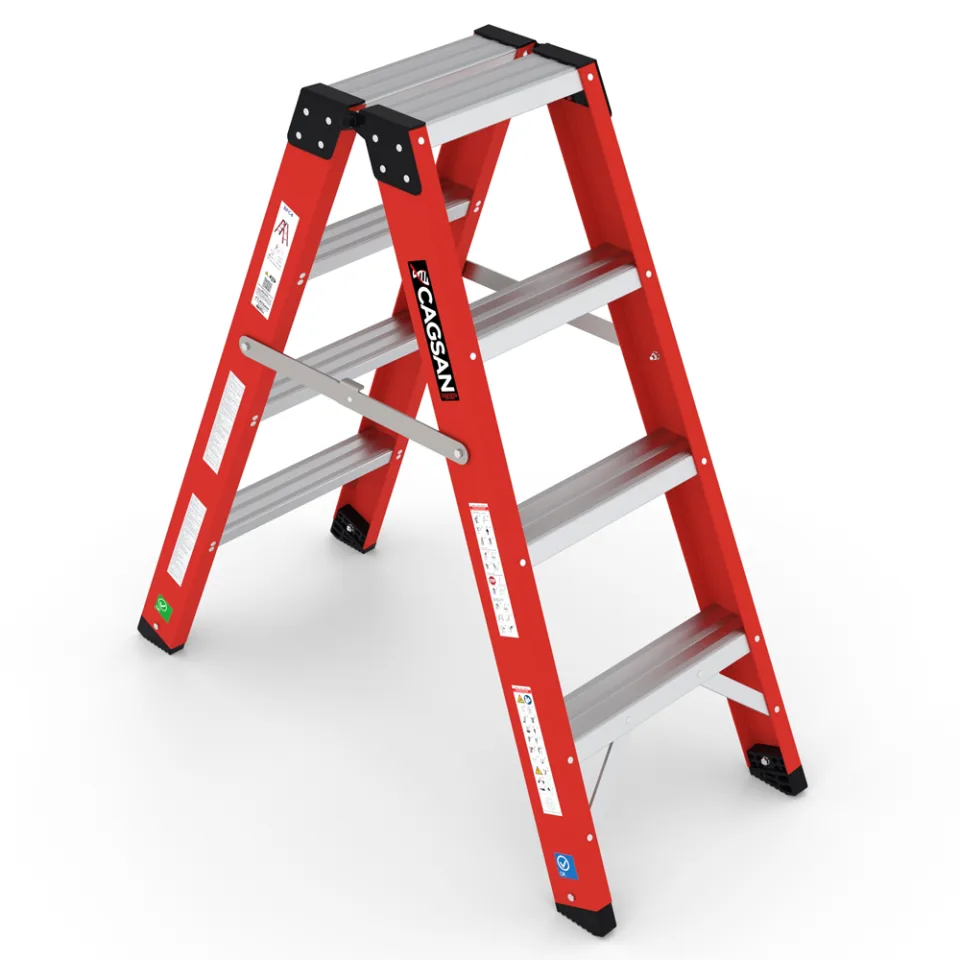
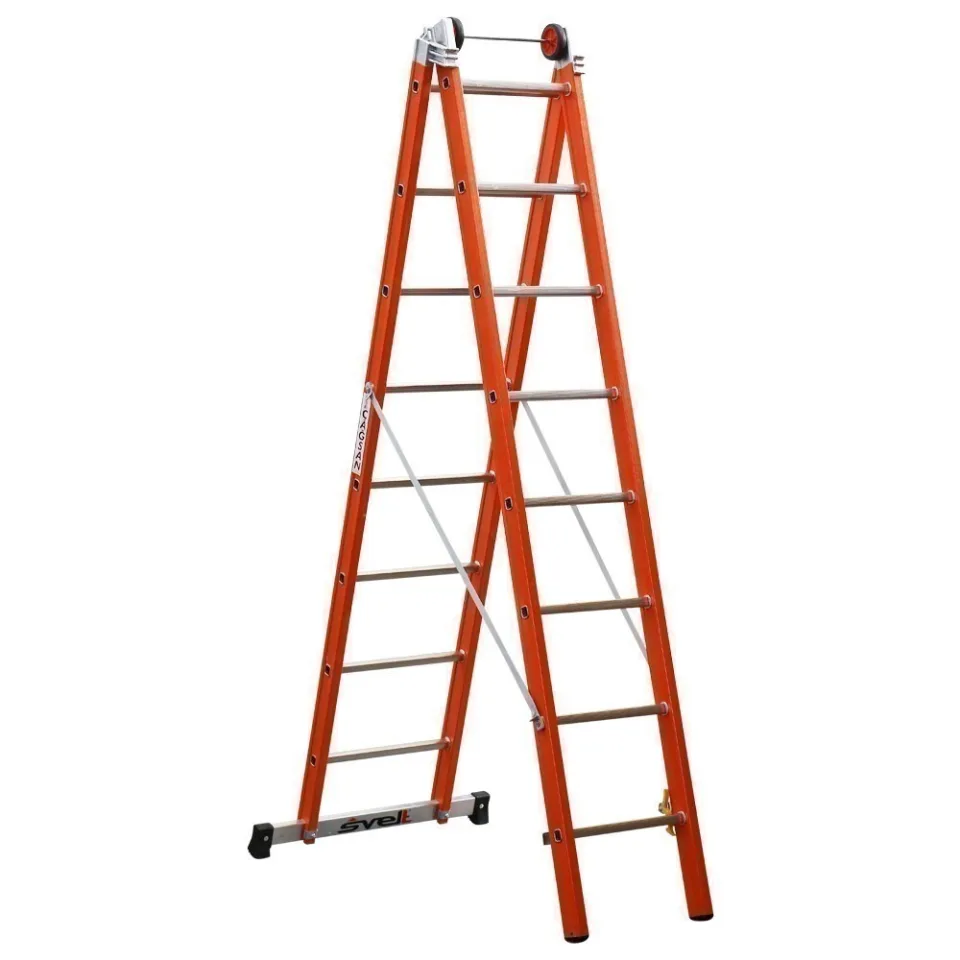
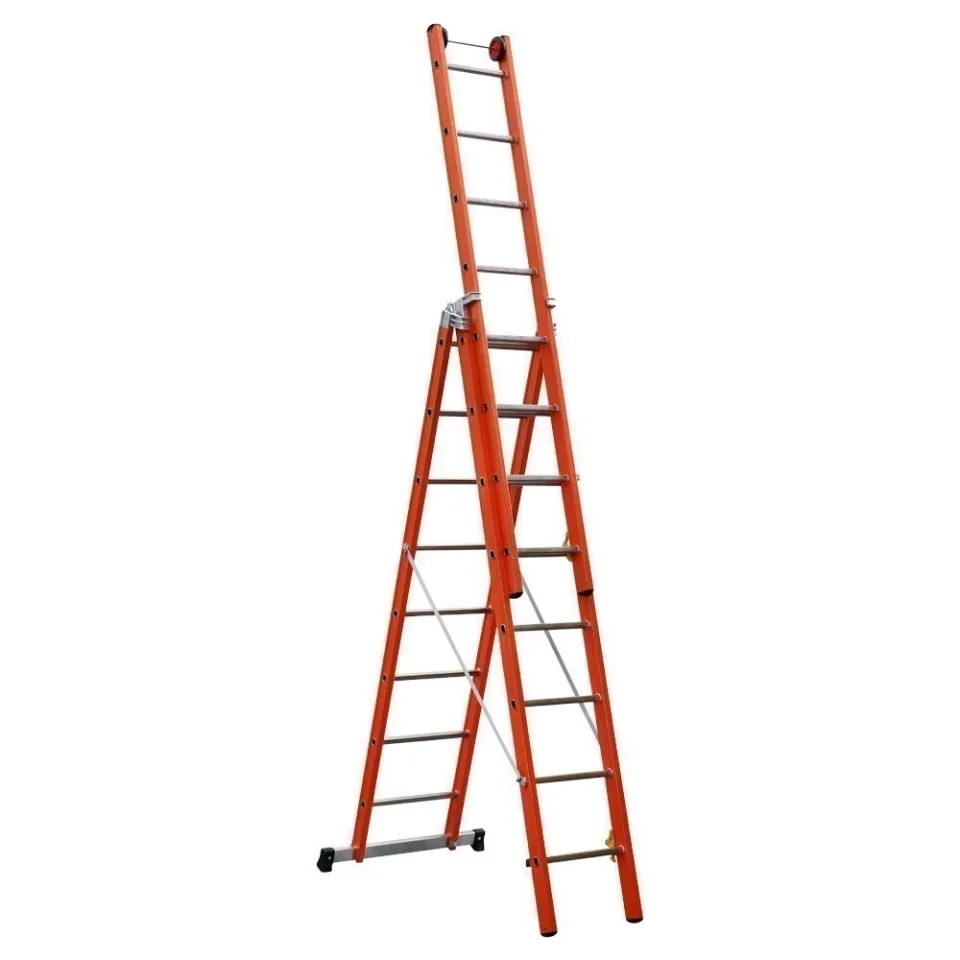
SerIso GRP fiberglass ladders use pultruded Glass-Reinforced Polyester side stiles with isolated rung joints, preventing phase-to-ground current flow and fulfilling utility HSE mandates.
2. Weight, Portability & Daily Field Ergonomics
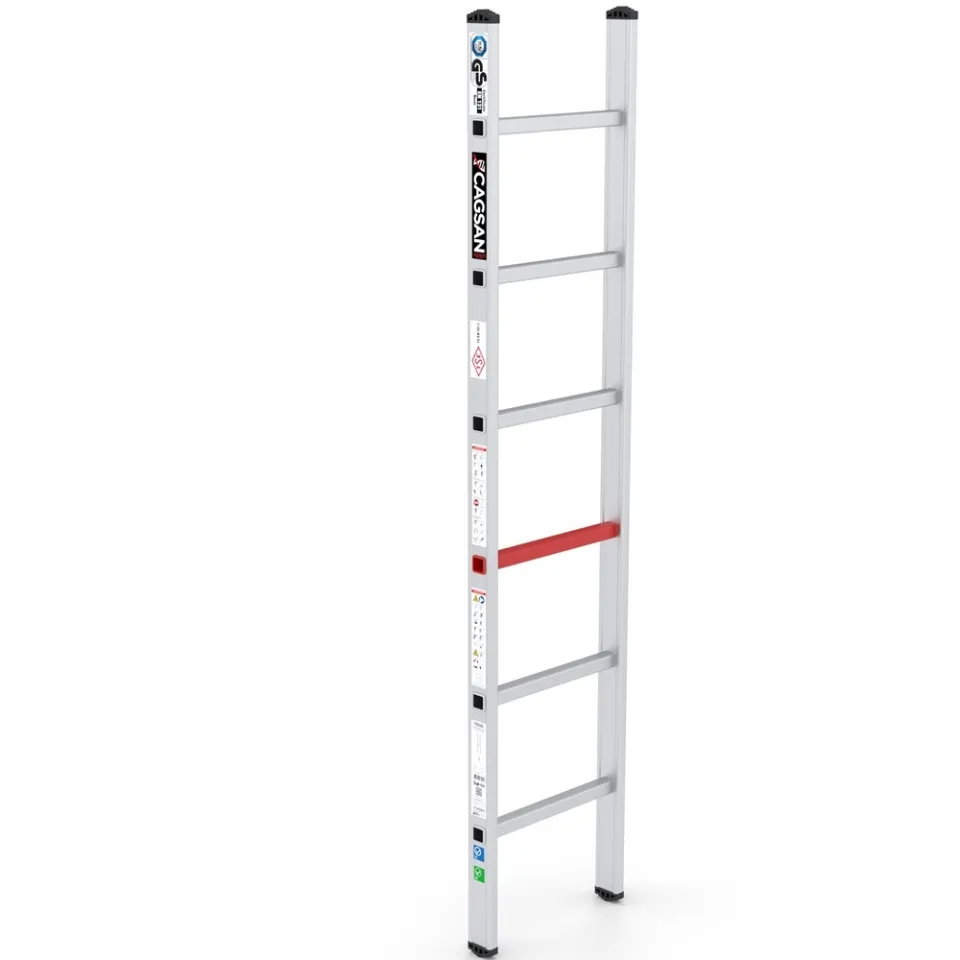
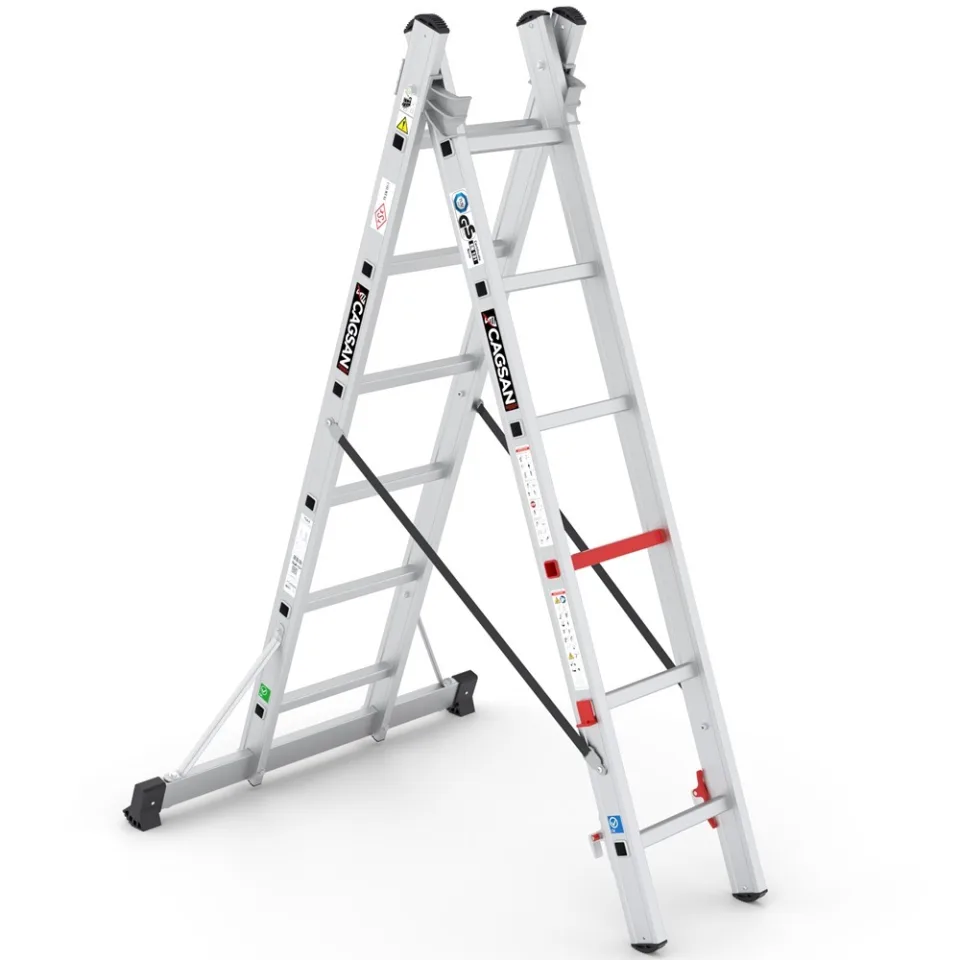
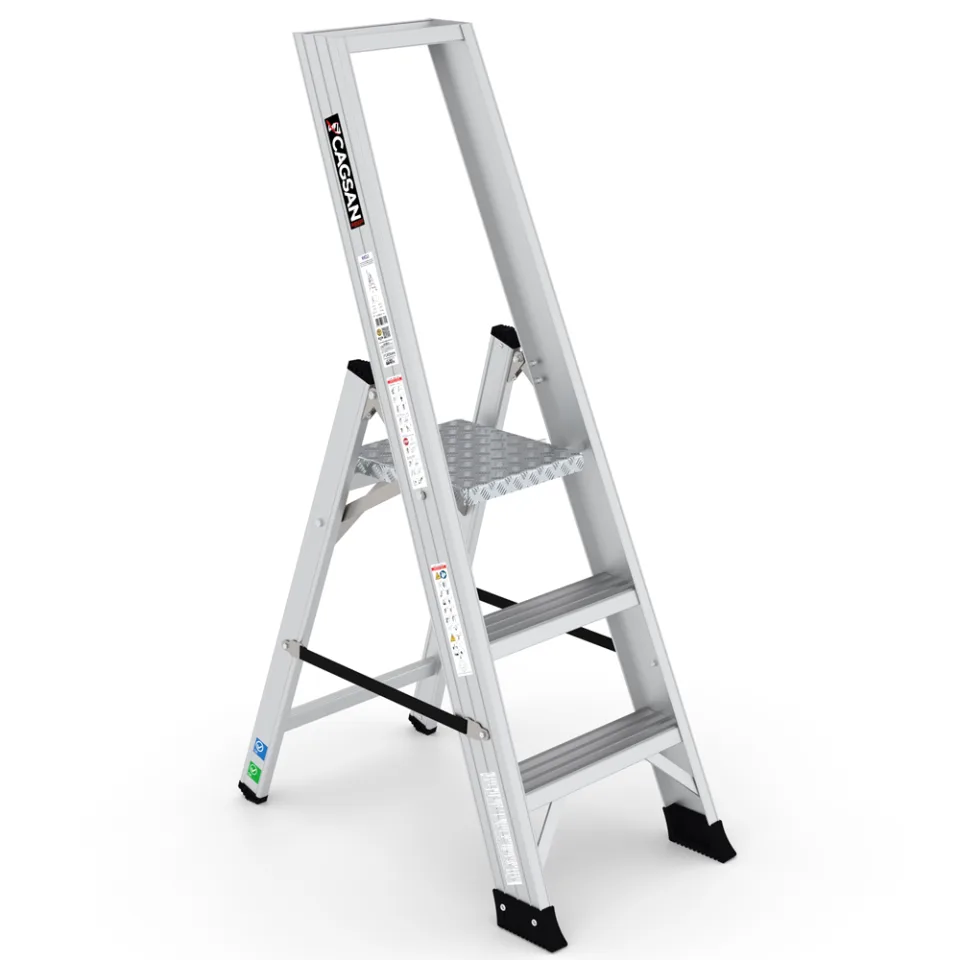
Where zero electrical hazard exists, extruded aluminium ladders deliver unmatched portability — allowing technicians to carry multi-section ladders effortlessly throughout shifts.
3. Corrosion Resistance & Outdoor Service Life
Neither aluminium nor GRP suffers from red steel rust. GRP excels in chlorinated or acidic chemical atmospheres, while anodised/mill-finish aluminium thrives in year-round outdoor vehicle rack exposure.
Get Free Engineering Model Verification for Your Project
Share your ceiling height, site conditions, or tender specification with our export engineering desk to receive matching EN 131 / EN 1004 proforma options.